
Best Denim Fabrics for Everyday Comfort
Table of Contents
- What Makes Denim Comfortable: The Fabric Foundation
- Stretch Denim vs 100% Cotton Denim: Which Feels Better All Day
- Best Fabric Blend for Jeans: Finding Your Comfort Sweet Spot
- Lightweight Denim for Summer: When Breathability Matters
- How to Choose Comfortable Jeans: Beyond the Label
- Common Comfort Mistakes That Ruin Your Denim
- Caring for Your Denim to Preserve Comfort Over Time
- Frequently Asked Questions
Last Updated: October 17, 2026
What Makes Denim Comfortable: The Fabric Foundation
Comfort in denim starts with understanding fabric composition. The best denim fabrics for everyday comfort combine the right fiber blend, weight, and construction to move with your body rather than against it. At AVERA7, we've designed our jeans around this principle: comfort shouldn't require compromise on style.
Denim comfort depends on three core factors. First, fiber content determines breathability and softness. Second, fabric weight affects how the jeans move and recover after wear. Third, construction methods, including how the fabric is woven and finished, influence durability and long-term wearability.
Most people assume all denim feels the same. It doesn't. A pair made from 100% cotton feels completely different from one with elastane. Raw denim breaks in over months. Preshrunk cotton denim is ready to wear immediately. These differences matter for how your jeans perform in daily life.
The foundation of comfort is respecting what denim actually is: a cotton-based twill weave. Understanding this weave structure helps explain why certain fabric blends work better for all-day wear. The diagonal ridge pattern of twill creates natural flexibility while maintaining durability. When you add stretch fibers or adjust the weight, you're modifying how that fundamental structure behaves against your skin and body.
Stretch Denim vs 100% Cotton Denim: Which Feels Better All Day
Stretch denim includes elastane (also called spandex), typically 2-4% of the fiber content. This addition transforms how jeans feel during movement. 100% cotton denim has no elastane, relying entirely on the fabric's natural give and the weave structure for flexibility.
The practical difference is immediate. Stretch denim moves with your body. When you bend, sit, or walk, the elastane allows the fabric to flex and return to its original shape. You'll notice this most in the knees, hips, and seat, areas that experience the most stress during daily wear.
100% cotton denim requires a break-in period. The fabric gradually softens and molds to your body, but this process takes weeks or months. During that time, the jeans feel stiffer and less forgiving. Once broken in, many people find 100% cotton denim develops character and a personalized fit that stretch denim doesn't achieve. Raw denim enthusiasts specifically seek this experience.
For everyday comfort, especially if you wear jeans eight or more hours daily, stretch denim typically wins. The elastane provides immediate comfort without sacrificing durability. The trade-off is that stretch denim may bag out slightly over time, the elastane can lose some recovery after repeated wear.
AVERA7's High-Waisted Wide Leg Jeans feature a cotton-polyester blend with high elasticity, engineered specifically for all-day comfort. The stretch allows freedom of movement while the high-waisted design provides support and stability throughout your day.

Best Fabric Blend for Jeans: Finding Your Comfort Sweet Spot
The ideal fabric blend balances softness, durability, and recovery. Cotton provides the foundation, it's breathable, durable, and gets softer with wear. Polyester adds strength and helps the fabric retain its shape. Elastane introduces flexibility and comfort for extended wear.
A 98% cotton, 2% elastane blend represents the sweet spot for many wearers. You get most of cotton's character and breathability with just enough stretch to eliminate the break-in period. This blend works particularly well for people who value both comfort and the authentic denim experience.
Higher elastane percentages (4-5%) increase comfort dramatically but reduce the traditional denim feel. Some wearers prefer this trade-off, especially those wearing jeans in professional settings where comfort matters more than heritage appeal.
Polyester content affects durability and recovery differently than elastane. A blend with 2-3% polyester and 1-2% elastane offers excellent balance: the polyester strengthens the fabric against friction and wear, while elastane handles the flexibility.
Cotton fabric standards and fiber composition guidelines
The worst blends for everyday comfort are those that skimp on quality. Cheap elastane degrades quickly, losing its stretch within months. Low-grade polyester can feel plastic-like and uncomfortable against skin. When evaluating jeans, check the fiber content label, it tells you exactly what you're getting.
AVERA7's High-Waisted Wide Leg Jeans use a carefully formulated cotton-polyester blend with high elasticity. This combination delivers the softness you want with the recovery and durability that makes jeans worth the investment.
Lightweight Denim for Summer: When Breathability Matters
Lightweight denim typically weighs 10-12 ounces per square yard, compared to 13-15 ounces for midweight and 16+ ounces for heavyweight. This weight difference directly affects how air moves through the fabric.
In warm months, lightweight denim breathes better. The thinner fabric allows more air circulation against your skin, reducing heat buildup. You'll notice this most when sitting or during outdoor activities. Lightweight denim also dries faster after washing, which matters if you're washing jeans frequently during summer.
The trade-off is durability. Lighter fabric is more prone to tearing and showing wear patterns in high-friction areas. If you wear jeans intensively, hiking, active work, or constant movement, lightweight denim won't last as long as midweight alternatives. For office wear or casual summer outings, the breathability advantage outweighs the durability concern.
Comfort across seasons requires matching fabric weight to your climate and activities. If you live in a consistently warm region, lightweight denim makes sense year-round. If you experience seasonal changes, having both lightweight and midweight options gives you flexibility. Midweight denim (13-15 ounces) works well in spring and fall, offering a balance between breathability and durability.
Textile fiber and fabric weight specifications
Lightweight denim with stretch performs better than 100% cotton lightweights. The elastane compensates for the thinner fabric by maintaining shape and recovery, preventing that limp feeling that can occur with lightweight cotton-only jeans. Look for lightweight denim with 2-3% elastane for optimal summer comfort.
How to Choose Comfortable Jeans: Beyond the Label
Comfort in jeans depends on fit, fabric, and how the garment is constructed, not just the brand name. Many people buy based on reputation alone, missing better options that actually suit their body and lifestyle.
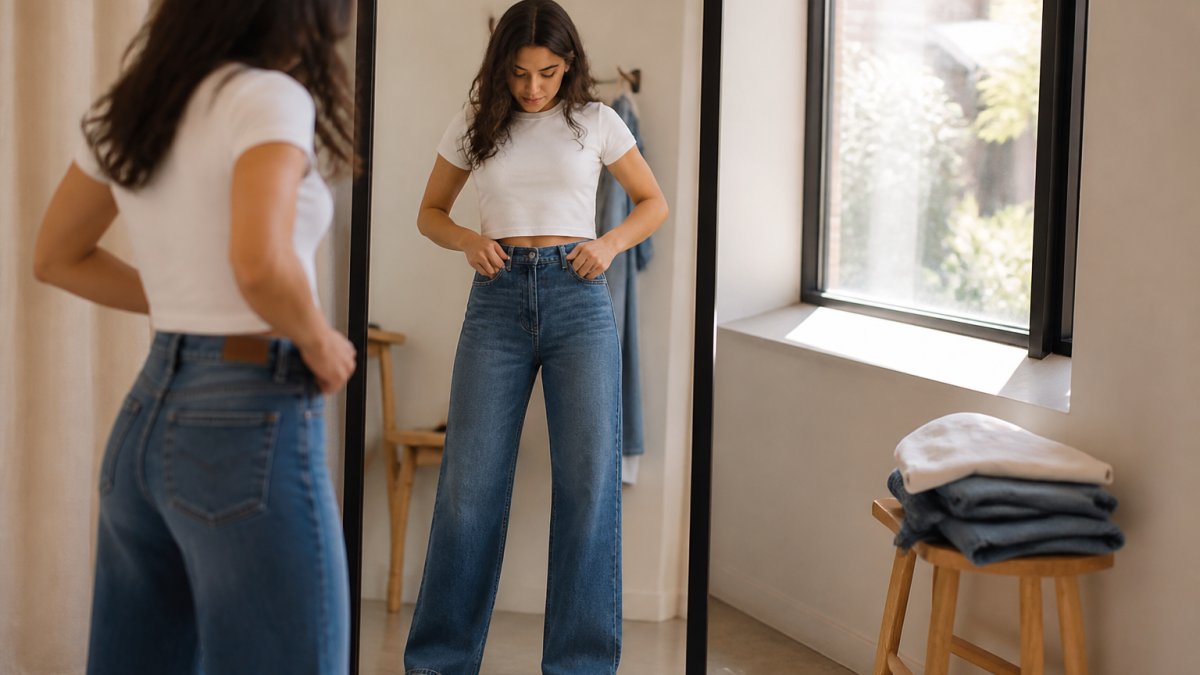
Start by assessing your body and how you'll wear the jeans. High-waisted designs provide support and prevent the constant pulling-up that comes with lower-rise fits. Wide-leg cuts offer more room through the hip and thigh, reducing restriction and improving circulation.
Fabric weight matters for your lifestyle. If you work in an office, lightweight or midweight denim works well. If you're active outdoors, midweight or heavyweight denim resists damage better. The best denim fabrics for everyday comfort match both your body shape and your daily activities.
Test the stretch by flexing in the fitting room. Bend forward, sit down, and move your legs. Quality stretch denim should feel smooth and responsive, not tight or restrictive. The fabric should return to its original shape when you stand up, if it stays stretched out, the elastane quality is poor.
Check the seams and stitching. Well-constructed jeans have reinforced seams at stress points like the crotch and pocket corners. These details don't affect immediate comfort but determine how long your jeans last.
Consider the hip-lifting effect and tummy control features if you value a sculpted silhouette. AVERA7's design specifically targets these needs through high-waisted construction and strategic fabric placement. These features don't sacrifice comfort, they actually enhance it by providing support that reduces the need for constant adjustment throughout your day.
Common Comfort Mistakes That Ruin Your Denim
The biggest mistake is ignoring how jeans fit when you sit. Many people try on jeans standing up, then discover they're uncomfortable during an eight-hour workday. Always sit in the fitting room. Bend forward. Move around. Your sitting comfort matters more than standing appearance.
Buying jeans that are too tight is another common error. People often assume denim will stretch out significantly over time. While some stretching occurs, especially with elastane, it's minimal, maybe a quarter inch in the waist.
Ignoring fiber content leads to regret. A pair of jeans without elastane will feel stiff for weeks. A pair with cheap elastane will lose its stretch within months. The fiber content label exists for a reason, read it before buying.
Over-washing destroys comfort. Frequent hot-water washing fades denim faster and degrades elastane. Wash jeans in cold water, turn them inside out, and wash less frequently. Many denim enthusiasts wash jeans only a few times per year, spot-cleaning stains instead.
Textile care and washing guidelines for denim longevity
Assuming all stretch denim feels the same is a costly mistake. The quality of elastane varies dramatically between brands. Premium elastane maintains its properties through hundreds of wash cycles. Budget elastane deteriorates quickly.
Not accounting for seasonal changes leaves you uncomfortable. If you live somewhere that gets hot, summer-weight jeans make a real difference. Wearing heavyweight denim in 85-degree heat is miserable.
Caring for Your Denim to Preserve Comfort Over Time
How you care for jeans directly affects how comfortable they remain. Proper maintenance preserves both the fabric's feel and the elastane's recovery properties.
Wash jeans infrequently. Cold water, inside-out, with similar colors. This approach preserves color, prevents fading, and protects elastane from heat damage. Hot water accelerates elastane degradation, which is why your jeans lose their stretch after repeated hot washes.
Air dry your jeans. Machine drying generates heat that damages elastane. Hang jeans to dry or lay them flat. This takes longer than machine drying but preserves comfort and extends the life of your investment. Heat is elastane's enemy, avoid it whenever possible.
Store jeans properly. Fold them rather than hanging them, which prevents stretching in the waistband area. Keep them in a cool, dry place away from direct sunlight, which fades color over time. Proper storage maintains both appearance and the fabric's structural integrity.
Spot clean stains instead of washing the entire pair. A damp cloth and mild soap handle most spills without requiring a full wash cycle.
Rotate your jeans. Wearing the same pair every day stresses the fabric and elastane continuously. If you have multiple pairs, rotating them gives elastane time to recover between wears. This simple practice noticeably extends how long jeans maintain their stretch and comfort.
Finding the best denim fabrics for everyday comfort means understanding fiber content, weight, and construction rather than relying on brand names alone.
Frequently Asked Questions
What is the most comfortable fabric blend for everyday jeans?
A cotton and polyester blend, typically 98% cotton with 2% elastane or polyester, offers the best balance. Pure cotton denim feels soft but lacks recovery, while too much stretch can feel restrictive. The polyester adds durability and helps the jeans maintain their shape through wear and washing. Look for blends labeled as having 'high elasticity' if you want all-day comfort without bagging at the knees.
Are stretch jeans more comfortable than rigid denim?
Stretch denim is typically more comfortable for everyday wear because it moves with your body and recovers to its original shape. Rigid 100% cotton denim feels stiff initially and requires a longer break-in period, though many people prefer the authentic feel once softened. For all-day comfort, especially in professional or active settings, stretch denim wins. The key is finding a blend with just enough elastane (1-3%) to provide ease of movement without sacrificing durability.
How can you tell if denim will be comfortable before buying?
Check the fabric composition label first: look for cotton-polyester blends with elastane for flexibility. Feel the fabric's weight and thickness, lightweight denim breathes better for warm weather, while midweight offers durability. Test the stretch by gently pulling the fabric; it should bounce back quickly. Read reviews mentioning fit recovery and bagging over time. AVERA7's high-waisted wide-leg jeans combine cotton-polyester construction with high elasticity, designed to prevent the bunching and ridging that comes with poor tummy control.
What percentage of elastane is best in jeans for comfort?
Between 1-3% elastane is ideal for everyday comfort jeans. This range provides noticeable stretch and recovery without compromising durability or the authentic denim feel. Less than 1% offers minimal give, while 5% or higher can feel too stretchy and lose shape faster. Most premium comfort-focused jeans use 2% elastane blended with cotton and polyester, which maximizes both flexibility and longevity.