
Denim Fabric Guide for Long-Lasting Stretch
Table of Contents
- Understanding Stretch Denim Fabric Composition
- Rigid Denim vs Stretch Denim: Which Lasts Longer
- Denim Weight and Its Impact on Durability
- How to Keep Jeans from Stretching Out Over Time
- How to Wash Stretch Jeans to Preserve Shape and Elasticity
- Assessing Stretch Recovery and Fabric Quality Before Buying
- Frequently Asked Questions
Last Updated: October 10, 2026
Understanding Stretch Denim Fabric Composition
Stretch denim combines natural cotton fibers with synthetic elastane or polyester to create fabric that moves with your body while maintaining its shape. The specific blend determines how much give the fabric has, how quickly it recovers, and ultimately how long your jeans will last. At AVERA7, we design our high-waisted wide-leg jeans with fabric composition as the foundation.
Cotton provides durability and breathability, but it has minimal natural stretch. Without an elastic component, 100% cotton denim becomes rigid and uncomfortable. Modern stretch denim solves this by introducing elastane (also called spandex) or polyester blends that allow the fabric to flex and then bounce back to its original shape.
Cotton-Elastane Blends and Their Recovery Properties
Cotton-elastane blends are the gold standard for stretch denim fabric guide for long lasting stretch applications. A typical blend runs 98% cotton and 2% elastane, though some manufacturers use 95/5 or 93/7 ratios for maximum flexibility. That small percentage of elastane makes an enormous difference: it's what gives jeans their ability to stretch without permanently deforming.
Elastane recovery refers to how quickly the fabric snaps back after stretching. Higher-quality elastane maintains its recovery properties through hundreds of washes. Lower-grade elastane degrades faster, meaning your jeans will feel loose and saggy after just a few months of wear. The difference is noticeable when you put on a pair of well-made stretch jeans versus budget alternatives, premium jeans feel supportive and sculpted, while cheaper versions feel limp.
When elastane begins to fail, it doesn't bounce back the way it did when new. The fabric stays stretched out longer after you sit down or bend over. This is why some people complain that their stretch jeans "lose their stretch", they're actually experiencing elastane degradation.
Polyester as an Alternative Stretch Fiber
Polyester blends offer a different approach to stretch denim fabric construction. A typical polyester-cotton blend might be 98% cotton and 2% polyester, similar to elastane ratios. However, polyester behaves differently than elastane. It provides structure and body to the fabric but offers less immediate stretch sensation.
The trade-off is real: polyester-blend jeans often take longer to break in and may feel less comfortable during the first few wears. Some manufacturers use polyester specifically because it resists pilling and fading better than elastane-dominant blends. AVERA7's high-waisted wide-leg jeans feature a premium cotton-polyester blend that delivers both comfort and lasting durability.

Polyester also handles moisture differently than elastane. It wicks sweat away from skin more effectively, making polyester-blend jeans a better choice for warm climates or active wear. Elastane, by contrast, absorbs more moisture and can feel clammy in hot conditions.
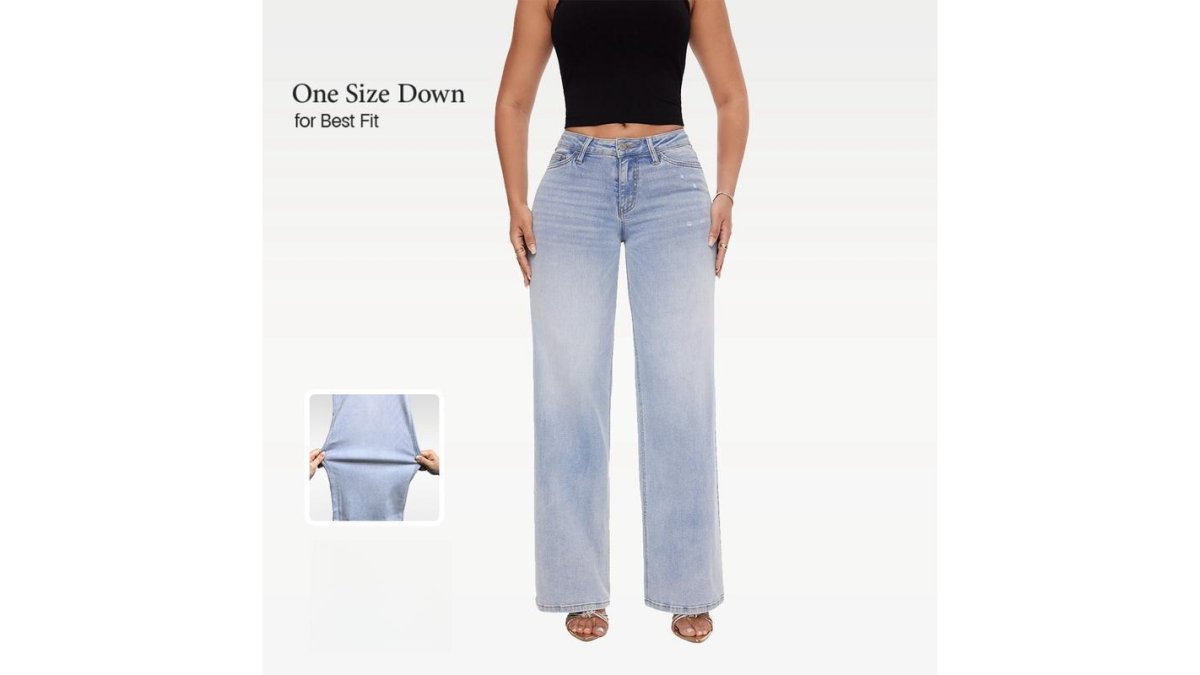
Rigid Denim vs Stretch Denim: Which Lasts Longer
This question has a counterintuitive answer. Most people assume rigid denim lasts longer because it feels stiffer and more substantial. In reality, the durability difference comes down to construction quality, not the presence of stretch fibers.
Rigid denim, 100% cotton twill with no elastane, does resist some forms of wear differently. It doesn't develop stress marks from repeated stretching because there's no elastane to fatigue. However, rigid denim creates other durability problems. Without stretch, the fabric bears concentrated stress at stress points like the crotch and inner thigh.
Stretch denim distributes stress more evenly across the fabric because it flexes instead of resisting. This actually extends garment lifespan when the elastane is high quality. The key variable isn't whether your jeans contain stretch, it's whether the stretch fibers are durable enough to withstand hundreds of wash cycles without degrading.
Premium stretch denim outlasts budget rigid denim because the elastane quality is higher and the overall construction is superior. You're not choosing between stretch and durability; you're choosing between quality stretch and poor quality anything.
Denim Weight and Its Impact on Durability
Denim weight, measured in ounces per square yard, directly correlates with durability and longevity. Lightweight denim (under 12 oz) feels soft and breathable but wears through faster. Midweight denim (12-14 oz) balances comfort and durability, making it the most versatile choice for everyday wear. Heavyweight denim (over 14 oz) is dense and rigid, designed for workwear and heavy-duty garments that prioritize durability over comfort.
For a denim fabric guide for long lasting stretch that balances both priorities, midweight fabric is the sweet spot. It's thick enough to resist abrasion at stress points but flexible enough to accommodate stretch fibers without feeling stiff. Lightweight denim can absolutely include elastane, but the thinner base fabric means the garment will show wear sooner, regardless of stretch quality.
Lightweight, Midweight, and Heavyweight Denim
Lightweight denim under 12 ounces per square yard feels luxurious against skin and works beautifully for summer clothing and all-day comfort. The trade-off is visible wear within 12-18 months of regular use. Fading happens faster, and stress areas thin noticeably. If you prioritize comfort over longevity, lightweight stretch denim is a valid choice, just expect to replace jeans more frequently.
Midweight denim (12-14 oz) is the standard for quality everyday jeans. It's substantial enough to feel durable without the bulk of workwear. Most premium jeans fall into this range. Midweight fabric resists fading better than lightweight, maintains its color through dozens of washes, and develops character over time rather than looking worn out.
Heavyweight denim (14+ oz) is dense and stiff, traditionally used for work jeans and vintage-inspired styles. It requires significant break-in, many people find it uncomfortable for extended wear initially. However, once broken in, heavyweight denim lasts for years with minimal visible wear. The downside is that it never feels truly soft, and the weight can be uncomfortable in warm weather.
How to Keep Jeans from Stretching Out Over Time
The single biggest mistake people make is washing jeans too frequently. Every wash cycle, even on gentle settings, stresses elastane fibers. Cold water and delicate cycles reduce damage, but they don't eliminate it. Wearing jeans multiple times between washes extends elastane lifespan dramatically.
Spot-cleaning visible stains instead of full washing preserves elastane far better than regular laundering. A damp cloth and mild soap on a localized stain keeps the rest of the garment intact. This approach is how premium denim owners maintain their pieces for years.
Heat is elastane's enemy. High-temperature water accelerates elastane degradation, which is why cold water washing matters. Dryer heat is even worse, many people ruin stretch jeans by machine drying on high heat. Air drying or low-heat dryer settings extend garment life significantly.
Storage matters too. Tight folding or hanging on thin hangers can create permanent creases in stretch denim. Lay jeans flat or use padded hangers to prevent stress on the elastane. This is especially important for high-waisted styles, where the waistband elastane bears constant tension.
How to Wash Stretch Jeans to Preserve Shape and Elasticity
Washing stretch jeans correctly is the single most important factor in maintaining their shape and elasticity over time. Wrong washing practices will destroy even premium denim within a year.
Temperature, Frequency, and Drying Methods
Cold water is non-negotiable for stretch denim. Hot water opens fabric fibers and accelerates elastane degradation. Washing in cold water preserves both color and elastane integrity.
Washing frequency directly impacts elastane lifespan. Wearing jeans 4-7 times before washing allows elastane to rest and recover between wears. This resting period is critical for long-term durability.
Gentle or delicate cycle settings reduce agitation and stress on elastane fibers. Avoid heavy-duty cycles even if jeans are visibly dirty, the extra agitation damages fabric more than the dirt does.
Drying method determines whether your jeans maintain their shape or become permanently stretched. Machine drying on high heat is the fastest way to ruin stretch denim. Air drying is ideal, lay jeans flat or hang them loosely to dry.
Fabric softener should be avoided entirely. It coats elastane fibers and reduces their ability to recover properly. Plain water rinses work better than any additive. If you want softer jeans, wear them more frequently, natural wear softens fabric better than any product.
Assessing Stretch Recovery and Fabric Quality Before Buying
Before committing to a purchase, test the stretch recovery of any denim. Gently stretch the fabric between your hands and release it.
Examine the fabric weight by feeling the thickness between your fingers. Midweight denim feels substantial without being rigid. Lightweight denim feels thin and delicate.
Check the fiber content label carefully.
Look at the twill weave pattern. High-quality denim has a tight, consistent twill pattern. Loose or irregular weaving indicates lower construction standards.
Test the dye quality by checking if the indigo rubs off onto your hands.
According to textile industry standards for denim durability, high-quality stretch denim should maintain elasticity through at least 50 wash cycles without significant degradation.
Consider the brand's reputation for quality. Research from consumer reviews and durability testing shows that premium denim brands consistently outperform budget alternatives in long-term elasticity retention.
AVERA7's high-waisted wide-leg jeans feature a premium cotton-polyester blend specifically chosen for lasting durability and shape retention.
Choosing denim that lasts requires understanding how fabric composition, weight, and care practices work together.
Frequently Asked Questions
What fabric blend makes stretch jeans last longer?
A 98% cotton and 2% elastane blend offers the best balance of durability and stretch retention. This ratio provides enough elastane to recover after wear without compromising the cotton's strength. Polyester blends (typically 65-70% cotton, 25-30% polyester, 2-3% elastane) also perform well for long-term wear, as polyester adds abrasion resistance. Avoid blends with elastane percentages above 5%, as excessive elastane weakens the overall fabric structure and loses elasticity faster.
How can you tell if stretch denim will lose its shape?
Test the fabric's recovery by stretching a small section of the waistband or inseam firmly for 10 seconds, then release. Quality stretch denim returns to its original shape within 2-3 seconds. If the fabric remains visibly stretched or takes longer to recover, the elastane quality is poor. Also examine the weave tightness: looser, softer weaves lose shape faster than dense, structured twills. Check the fiber content label, elastane blends below 2% often indicate lower recovery performance.
Is rigid denim more durable than stretch denim?
Rigid denim (100% cotton, no elastane) typically lasts longer in terms of structural integrity because it lacks elastane, which degrades over time. However, rigid denim becomes stiff and uncomfortable after washing, limiting wearability. Stretch denim with a proper 98/2 cotton-elastane blend offers a practical middle ground: it maintains comfort through repeated wear and washing. The choice depends on your priority, pure longevity favors rigid, but comfort and extended usable life favor quality stretch.
How should you wash stretch jeans to help them last?
Wash stretch jeans inside-out in cold water on a gentle cycle, using mild detergent. Avoid fabric softener, which breaks down elastane. Wash with similar colors only to prevent dye bleeding. Air-dry completely, never use a dryer, as heat damages elastane fibers and causes permanent shrinkage. Limit washing to every 4-6 wears by spot-cleaning stains and airing out between wears. This routine preserves elasticity and prevents the cumulative wear that causes premature stretching and fading.
What type of fabric is best for jeans that provide tummy control and a flattering fit?
High-quality cotton-polyester blends with controlled stretch perform best for sculpting and support. A blend like 65% cotton, 30% polyester, and 5% elastane provides enough structure to smooth and lift while remaining breathable and comfortable. The polyester component adds firmness without stiffness, and the elastane ensures the fabric molds to your body without bunching. Look for midweight denim (12-13 ounces per square yard) that balances support with wearability. High-waisted cuts amplify the tummy control effect by distributing support across the entire midsection.
Does denim weight affect how long stretch jeans stay in shape?
Yes, significantly. Lightweight denim (under 10 ounces per square yard) stretches more easily and loses elasticity faster because the thinner fabric puts more stress on elastane fibers. Midweight denim (11-14 ounces per square yard) provides the best balance, dense enough to support elastane recovery but flexible enough for comfort. Heavyweight denim (over 14 ounces per square yard) retains shape longest but feels stiff and restrictive, especially in stretch blends. For long-lasting comfort and shape retention, midweight stretch denim is the optimal choice.
How often should you wash stretch jeans to preserve elasticity?
Wash stretch jeans every 4-6 wears, not after each wear. Frequent washing accelerates elastane breakdown and causes unnecessary fading and shrinkage. Between wears, hang jeans to air out or lay flat to allow fibers to recover. Spot-clean visible stains with cold water and mild soap instead of full washes. This approach extends elasticity by reducing cumulative stress on the elastane fibers while keeping your jeans fresh and hygienic.